Articles
Best Perfume Shop in Bangladesh: How to Choose Original Perfumes Online
A perfume is more than just a fragrance — it is a reflection of personality, confidence, and personal style. Whether you prefer…
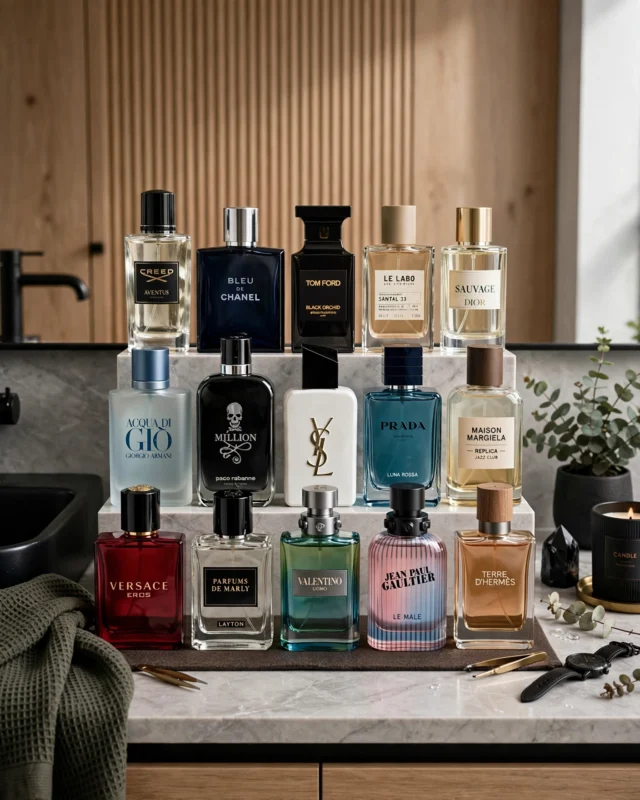
If your social media feed suddenly seems full of men discussing perfumes, fragrance collections, longevity, projection and “compliment getters,” it is not just your algorithm. Something has genuinely changed. A few years ago, many men owned one fragrance—often a bottle they received as a birthday or Eid gift—and wore it until it ran out.Today, that same person might have an entire shelf.A fresh fragrance for daytime. Something clean for If your social media feed suddenly seems full of men discussing perfumes, fragrance collections, longevity, projection and “compliment getters,” it is not just your algorithm.
Something has genuinely changed.
A few years ago, many men owned one fragrance—often a bottle they received as a birthday or Eid gift—and wore it until it ran out.
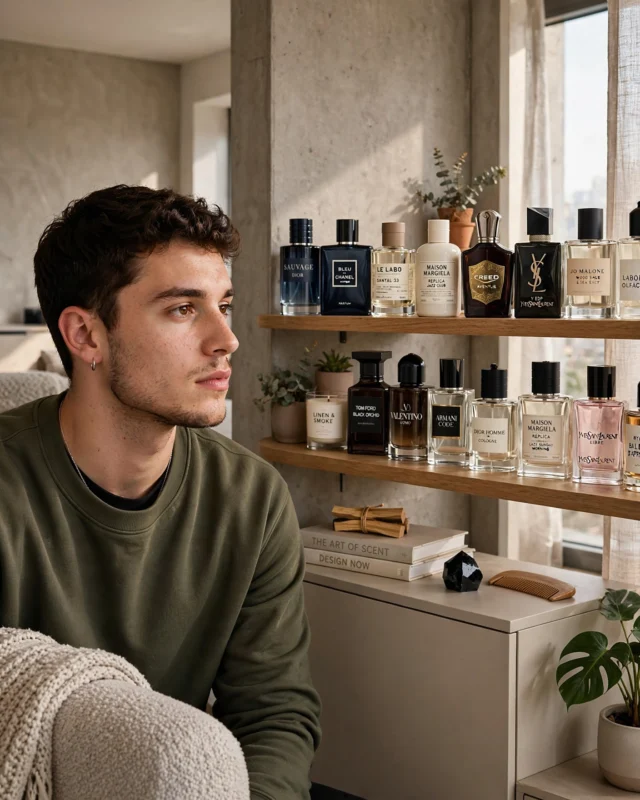
Today, that same person might have an entire shelf.
A fresh fragrance for daytime. Something clean for work. A sweeter scent for a date. A stronger fragrance for evenings. Maybe an oud for special occasions.
So what changed?
Social Media Made Perfume Easier to Understand
Perfume used to feel surprisingly complicated.
Walk into a fragrance store and you would hear terms like top notes, dry-down, projection, sillage, concentration, longevity and accords.
Unless you were already interested in fragrance, it could feel overwhelming.
Then TikTok, Instagram and YouTube changed everything.
Communities such as #PerfumeTok and #FragranceTok turned fragrance education into short, entertaining content.
Creators began explaining questions ordinary buyers actually wanted answered:
Which perfume lasts the longest?
What does it smell like after two hours?
Is it good for summer?
Will people around you notice it?
Is it suitable for the office?
Is it worth buying without testing first?
Fragrance content essentially went through the same transformation that sneakers, watches and smartphones experienced on YouTube.
Suddenly, buyers could research a perfume before spending their money.
The influence is measurable too. Circana previously reported that TikTok accounted for 45% of social-media-driven fragrance purchases among U.S. consumers, with TikTok and Instagram particularly influential among Gen Z shoppers.
Gen Z Replaced the “Signature Scent” With a Fragrance Wardrobe
For years, perfume marketing encouraged people to find their one signature fragrance.
One scent.
One identity.
You wore it often enough that people eventually associated the smell with you.
Younger fragrance buyers are increasingly approaching perfume differently.
Instead of searching for one signature scent, many are building what the industry now calls a fragrance wardrobe.
The idea is simple: different fragrances for different situations.
You might have:
Fragrance becomes similar to clothing. You do not wear the same outfit everywhere, so why wear the same scent everywhere?
Industry research supports this shift. Circana found that fragrance usage among Gen Z had risen to 83%, and younger consumers were particularly likely to wear fragrance frequently and purchase fragrances for themselves several times a year. Industry observers have also specifically identified the rise of the “fragrance wardrobe” among younger consumers.
Young Men Are Spending More on Fragrance
One of the most interesting parts of the fragrance boom is how rapidly young men have entered the category.
Perfume is no longer treated simply as a grooming product.
For many younger men, fragrance sits alongside sneakers, watches, fashion and skincare as part of personal style.
A Piper Sandler survey of more than 13,500 teenagers found that teen boys increased their fragrance spending by approximately 26% year over year.
That is a significant cultural change.
Young men are not simply asking:
“Does this smell good?”
They are discussing:
“How long does it last?”
“How strong is the projection?”
“What season should I wear it?”
“How many compliments does it get?”
“What should I wear on a date?”
“What should I wear to university?”
Perfume has become something people research, compare and collect.
Affordable Luxury Changed the Game
There is another major reason fragrance collections became possible: accessible pricing.
Traditionally, building a large perfume collection could become extremely expensive.
Designer and niche fragrances can cost several thousand—or even tens of thousands—of taka per bottle.
But the growth of Middle Eastern perfumery has given fragrance lovers considerably more choice.
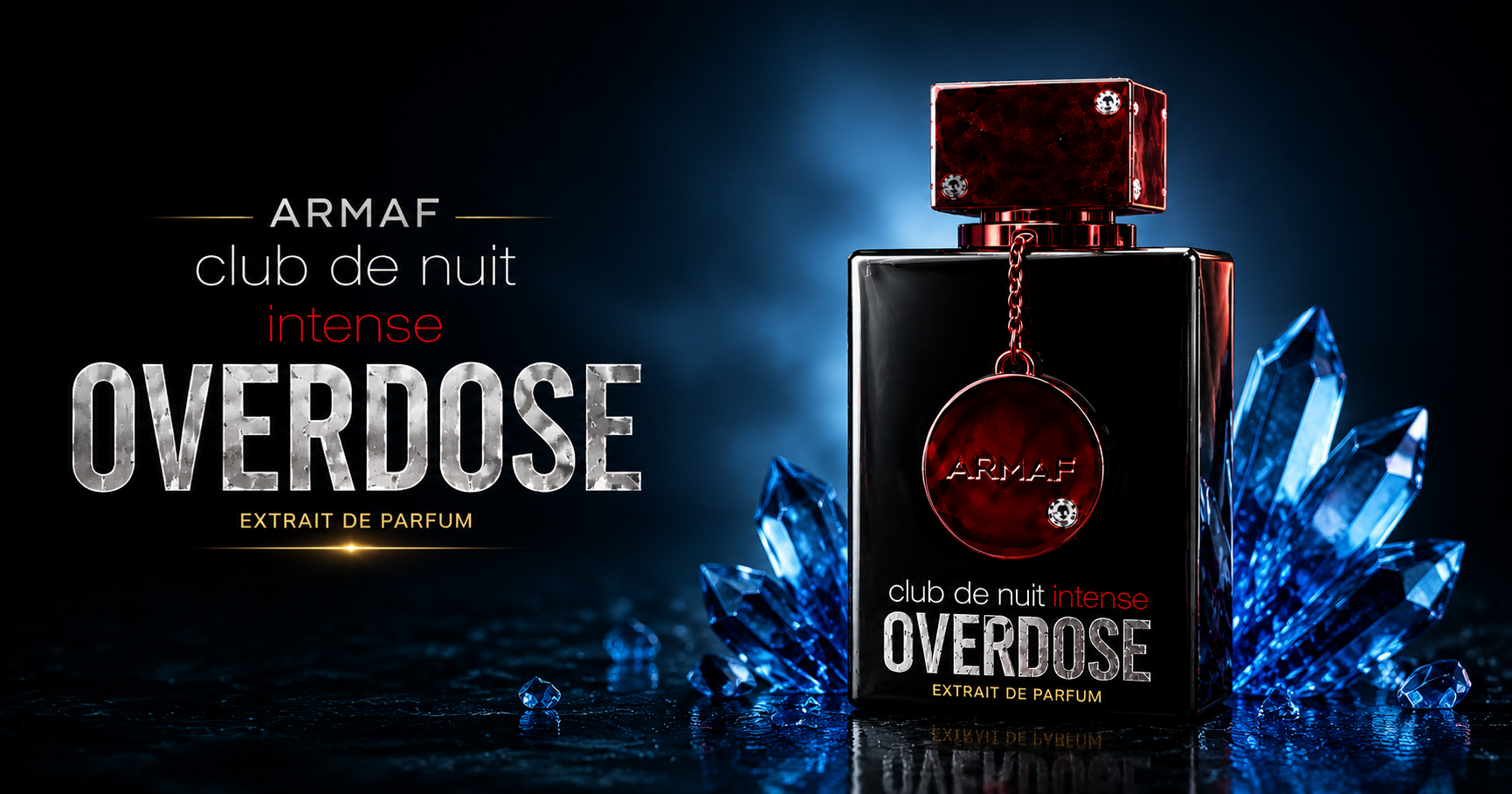
Brands such as Lattafa, Armaf, Afnan and Al Haramain have introduced a huge audience to fragrances offering strong performance, attractive presentation and interesting scent profiles at more accessible price points.
This is important because the appeal of Middle Eastern fragrance is no longer limited to simply finding alternatives to expensive designer scents.
These houses now have their own identities, original releases and loyal communities.
For a university student or young professional in Bangladesh, building a fragrance rotation therefore becomes much more realistic.
Instead of saving for one expensive bottle, someone can gradually explore fresh, woody, spicy, gourmand, musky and oud-based fragrances within different budgets.
That ability to experiment is helping turn fragrance from a single purchase into a hobby.
Perfume Has Become Part of Personal Branding
There is also a deeper cultural shift happening.
After the pandemic, people returned to offices, universities, restaurants, weddings, social events and dating.
At the same time, social media made people increasingly conscious of personal presentation.
Clothing matters.
Hair matters.
Skincare matters.
Fitness matters.
And increasingly, scent matters too.
A fragrance is invisible, but it can become one of the most memorable things about someone.
That is why terms such as “compliment getter,” “date-night fragrance,” “office scent” and “beast mode” have become common language in fragrance communities.
For many men, perfume is no longer simply about smelling clean.
It can represent mood, personality, confidence and personal style.
Bangladesh Is Part of This Fragrance Shift
The same transformation is increasingly visible in Bangladesh.
A decade ago, access to international fragrances was much more limited for many buyers.
Today, Bangladeshi fragrance enthusiasts can discover perfumes from designer brands, niche houses and major Middle Eastern manufacturers almost immediately after seeing them discussed online.
Someone might watch a fragrance review from Dubai, London or New York in the morning and start searching for that same perfume in Bangladesh minutes later.
That has created a much more knowledgeable customer.
Buyers increasingly ask about batch differences, concentration, performance, seasonality, scent profiles and authenticity before purchasing.
They are also willing to experiment.
A customer who once purchased one familiar perfume may eventually build a collection containing citrus, aquatic, aromatic, gourmand, leather, tobacco, musk and oud fragrances.
For retailers such as Perfume Shop BD, that change is visible every day.
Customers are no longer simply searching for “a good perfume.”
They are searching for the right perfume for a particular occasion, mood, season and budget.
The Fragrance Industry Is Growing With Them
This behavioural shift is happening while the global perfume industry itself continues to expand.
Grand View Research estimates that the global perfume market will reach approximately ৳7.84 trillion in 2026, based on a market value of roughly US$63.5 billion, and could approach approximately ৳11.86 trillion by 2033 based on current exchange-rate equivalents.
The research forecasts a compound annual growth rate of approximately 6.1% between 2026 and 2033.
Importantly, accessible perfume remains a major part of the market. Grand View Research estimates that mass-market perfumes represented almost half of global perfume revenue in 2025, while accessible-premium fragrances are also expected to grow strongly.
That helps explain why affordable yet well-presented fragrances are becoming increasingly important.
The One-Bottle Guy Hasn’t Disappeared
Of course, not everyone wants 20 perfumes.
There will always be people who find one fragrance they love and wear it for years.
There is absolutely nothing wrong with that.
But fragrance culture has clearly changed.
For a growing generation of consumers, one perfume is no longer necessarily the entire collection.
It is often just the beginning.
Perfume has evolved from a basic grooming product into a hobby, a form of personal expression and—in many cases—a collection.
And with social media making fragrance knowledge easier to access and affordable fragrance houses making experimentation easier to afford, that collection is likely to keep growing.
The signature scent is not dead. It simply has competition from the fragrance wardrobe.
— Perfume Shop BD
Authentic & Original Perfumes | Serving fragrance lovers in Bangladesh since 2019
A perfume is more than just a fragrance — it is a reflection of personality, confidence, and personal style. Whether you prefer…
Discover the best summer perfumes for men in Bangladesh, from fresh designer scents to rich Middle Eastern picks that handle Dhaka's heat and humidity.
Armaf’s Club de Nuit Intense Man has become one of the most recognizable men’s fragrance lines in the world. Over the years,…